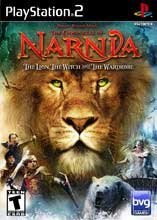
The Chronicles of Narnia: the Lion, the Witch and the Wardrobe Review
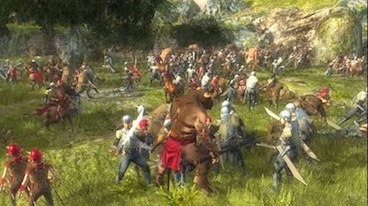
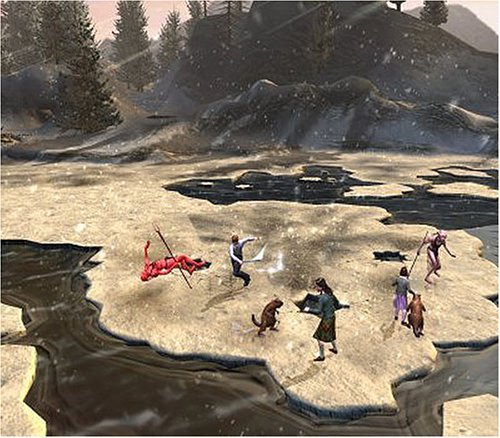 As my entire family will attest to, doing things bass-ackwards has been my lifelong rule rather than the exception. For example, though possessing a degree in English literature, I have never read any of C. S. Lewis’ seven books in The Chronicles of Narnia series and was familiar with his work primarily through The Screwtape Letters. There always persisted this conception that the Narnia books were meant for children. So it was that I found myself playing Disney’s The Chronicles of Narnia: The Lion, The Witch and The Wardrobe without any beforehand knowledge of the characters or the plot, and then found myself invited to an advance screening of the movie and, finally, figured ‘what the heck’ and purchased a boxed collection of the books in order to continue the adventure. 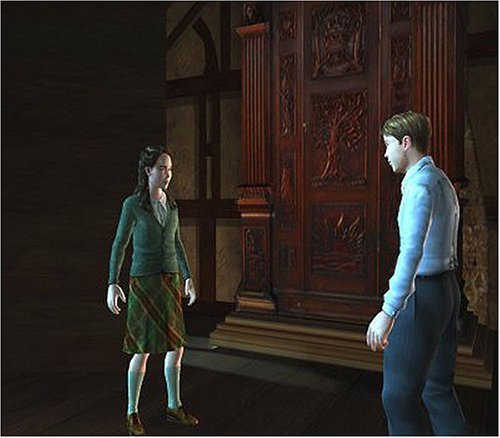 Some history: many years ago – in the 1930’s to be exact – a group of mostly academics from the University of Oxford formed a literary discussion group that met on Thursdays and named it the Inklings. This group, besides praising the value of narrative in fiction, also encouraged the writing of fantasy. So it is perhaps not at all surprising that from these meetings emerged two of the most popular fantasy authors of the 20th century, J. R. R. Tolkien and C. S. Lewis (known as ‘Jack’ to his friends). Tolkien soon wrote some little trilogy you may have heard of by the name of Lord of the Rings, while Lewis created The Chronicles of Narnia. The Lion, The Witch and The Wardrobe is about four children, Peter, Susan, Edmund and Lucy Pevensie who – because of the air-raids on wartime London – are sent to the country to live with the stuffy Professor Kirke. Bored, and unable to go outside due to the rain, they play hide-and-seek indoors where the youngest, Lucy, discovers an old closet that is a secret passage to Narnia, a country frozen in eternal winter by the evil White Witch. The icy spell can only be broken by four siblings who, along with the aide of the mighty lion Aslan – the true ruler of Narnia – must now work together to free Narnia from the White Witch. 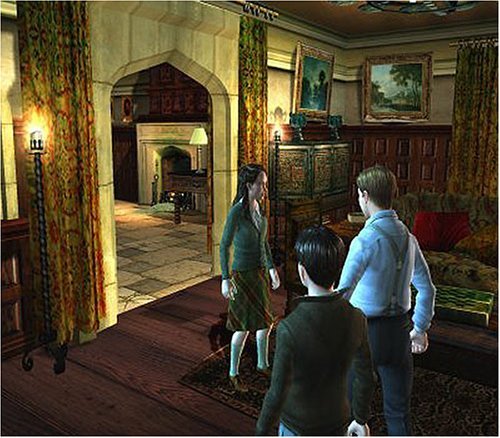 The game, and every chapter, begins with a clip from the film. Not only are the film clips absolutely stunning, but the film to animation transitions are the best ever, in any video game. Film scenes morph so smoothly and seamlessly into animation that you are actually shocked to discover that you now have control of the characters. The game also does a commendable job of following both the book and movie. It begins, as it should, with the London air raids though there is some silliness involved – and it continues throughout the game – in that the children must pound on or walk into furniture to spring coins that will later be used to purchase abilities. This is moronic console mentality at its worst and serves to prove how much more advanced and mature books and movies are from video games. Once we progress to the professor’s house it is only a matter-of-time until a lively game of hide-and-seek leads to the wardrobe and Narnia. The wardrobe is actually broken into fourteen different sections, each of which represents a different chapter of the game. 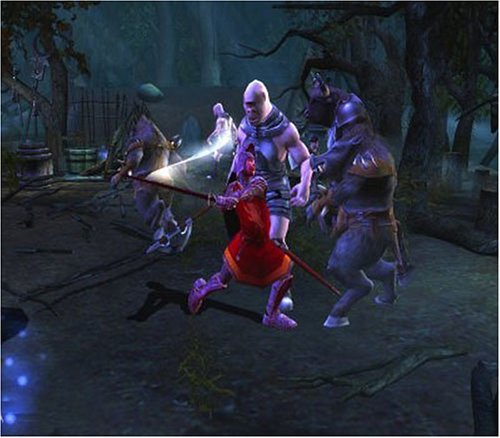 The children are each controlled separately and it is usually the player’s choice whom to use and when. The exception to this is when an icon of the child flashes on the screen and then the player must press to ‘x’ button on the controller to have that child complete a predetermined movement. This is usually not a problem, except during some hectic scenes – such as the first battle with the ogre – and adds the pretense of interactivity. There are also times when a specific child must be used as they each have their own special abilities. It is during these occasions that the game often feels rpgish. Lucy can cast a spell to heal her siblings, Susan can shoot arrows and so on. But each sibling also possesses unusual, clever abilities such as Susan throwing snowballs to put out fires and Lucy taming and riding wolves. The children can also team-up to create different types of combination attacks. Unfortunately, other than different types of attacks, the children are never fleshed out in the gameplay itself, but only through watching the film clips. 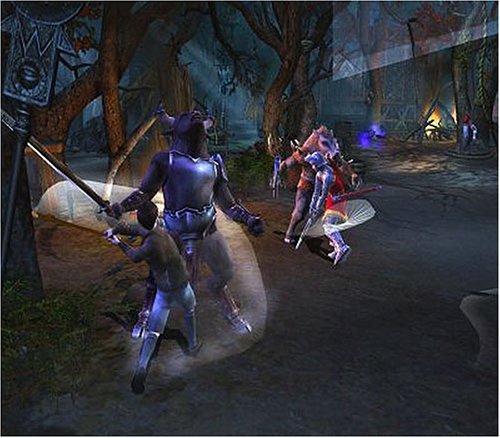 Take note also that populating each level are animal statues that when hit are tabulated for a final total that can increase or decrease your grade for that level. According to the book, these statues are animals that failed to report the presence of humans in Narnia and were frozen by the witch for their negligence. While normally such a mundane feature wouldn’t be worth mentioning, there is ultimately an excellent twist involved (no spoilers here!) that makes it worthwhile to collect as many of these statues as possible. Much of what was left to the imagination in the book is now visualized in both the game and movie, but why must such a premium be accorded to fighting? As the game progresses, the battles become more fierce and complicated and seem to be at odds with the tone of both the book and movie. The movie does not feature any battles – yet maintains an aura of suspense – until the wonderful climax of the film. In fact, Susan never even shoots her bow in violence until the very end of the movie, yet in the game she is immediately a superior marksman shooting everything in sight. There seems to be this perverse mentality in the video game industry that children are dunderheads who crave violence and that a game without fighting will not sell. The game actually has a lot of strong points that don’t involve fighting be it discovering the appropriate moments for Susan to play her Pan pipe, chases across frozen lakes, progressing through the witch’s castle or meeting some fantastic mythical creatures. But the overall interactive emphasis is on battling and that is a shame for the only emotional contact with the characters is through the non-interactive film sequences. Some of these sequences should have been incorporated into the gameplay instead of what often seems like an endless litany of battles. If this game had been made ten years ago, it would have been a pure adventure game and had a lot more heart and soul. 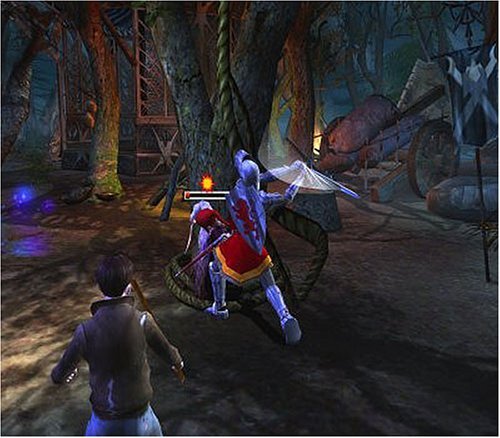 Voice-overs were performed by the cast members which is a plus, but there are occasionally some horrible camera angles – and the player has no control over the camera – that make it difficult to complete areas. For example, in one area the player must block three cave entrances to stop the flow of attacking wolves, but the cave entrance to the right of the screen is not readily discernable but would be if the player could shift the camera angle. Another necessary evil for games of this sort is that there are no save points, instead you are offered the opportunity to save when you complete a chapter. Within each chapter though there are much-needed check-points so that you don’t always have to replay the entire sections when your character loses a life. Just remember that check-points are only temporary and will be lost if you turn off the game before reaching a chapter’s end and saving. Lastly, while the book is widely considered to be an allegory for the story of Christ, such overt metaphors are not readily discernable at all in the game and it’s possible that in this day and age of thin sensibilities that the game developers did not want to chance possibly alienating their audience by having their product associated with any religious group. Of course, what may have escaped my notice might be blatantly obvious to someone else. Still The Chronicles of Narnia: The Lion, The Witch and The Wardrobe is recommended for fans of the movie and book. But – and I speak from my bass-ackwards experience – I don’t think you can fully appreciate the game without experiencing it in its other incarnations. Now, if you’ll excuse me, I have some reading to finish. Final Grade: C+ |