Rhiannon: Curse of the Four Branches Interview
|
Interviews
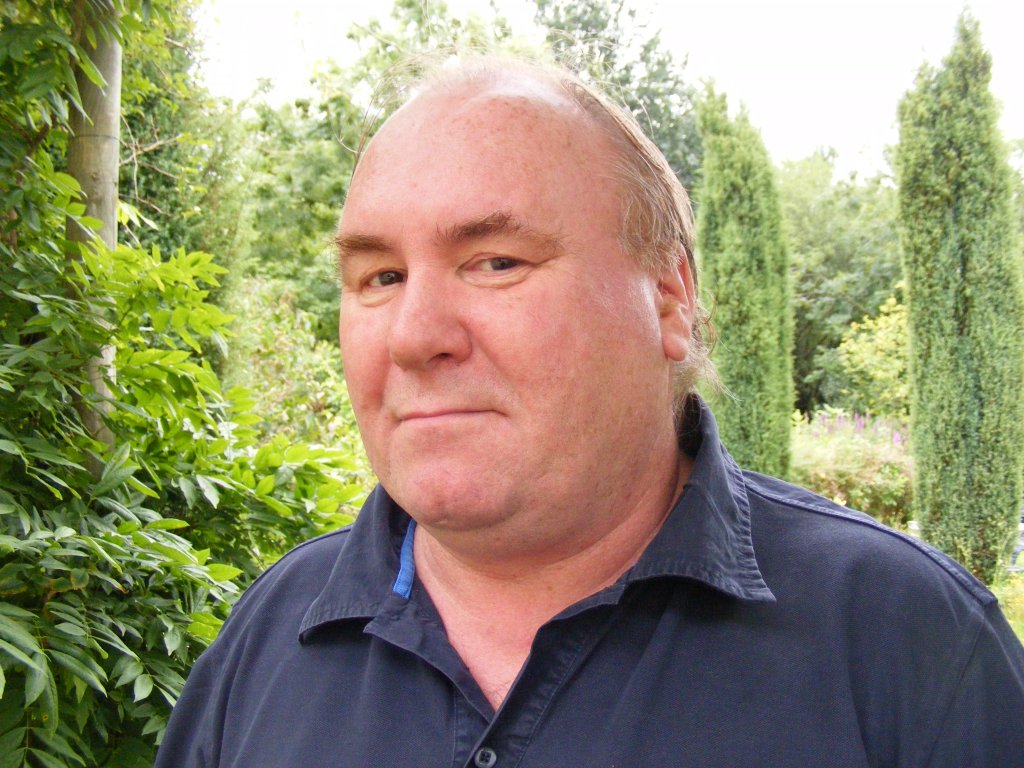
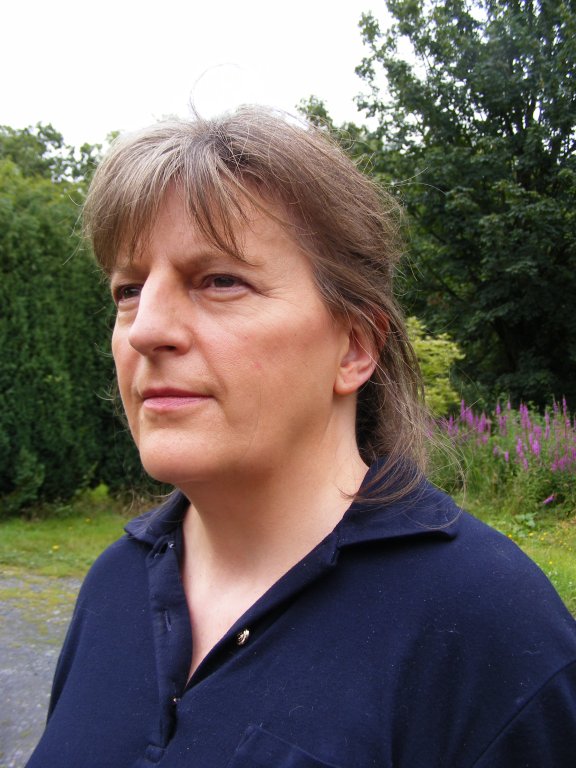
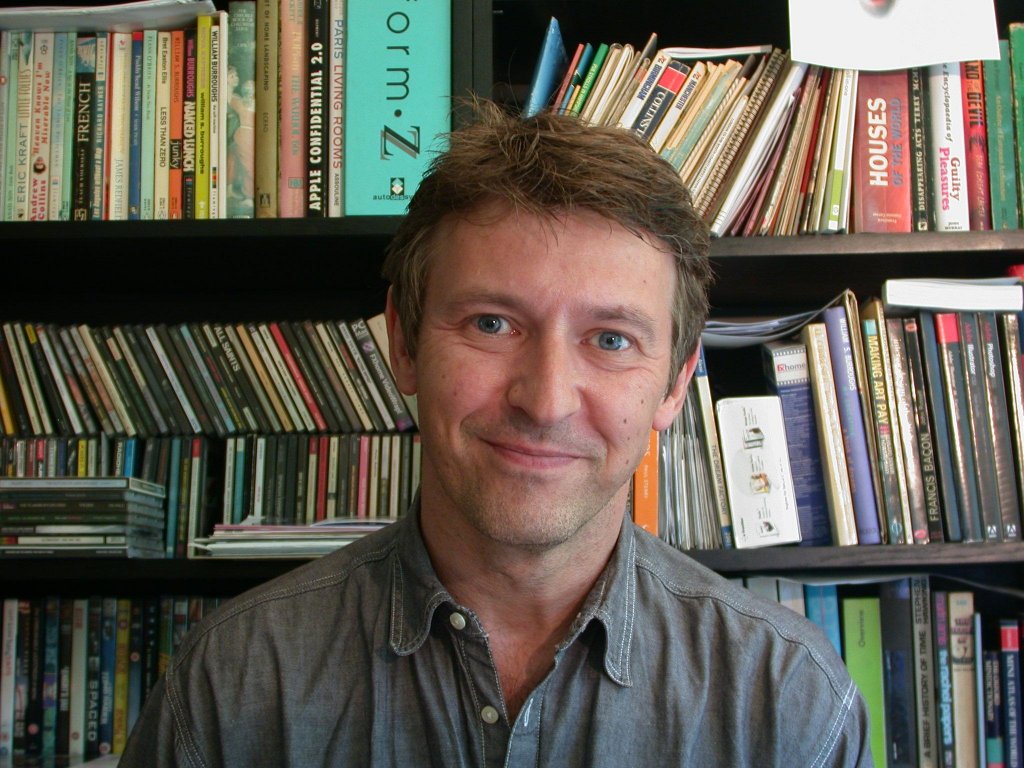
Arberth Studios is based in rural West Wales on the Celtic fringe of Britain. The company consists of the husband and wife team of Karen and Noel Bruton and Karen’s brother Richard Lee. Rhiannon: Curse of the Four Branches is their first game.
Having had the opportunity to play the game since this interview was conducted, I can wholeheartedly recommend Rhiannon to anyone who enjoys a good adventure game. It is indeed an impressive first effort from a talented development team.
What Randy, you don’t allow an option for it being better The main thing we didn’t know when we first played with the idea of writing an adventure game was how long it would take. That has been ‘worse’ in some respects, because it’s taken just over two years, which meant it was a slog sometimes. Another thing that took some of the fun out of it came when our US publisher, Got Game, gave us a sharp reality check – we had naively thought we’d take a leisurely stroll toward Christmas 2008 and launch around then – but Got Game reminded us that ‘Rhiannon’ was essentially a ghost story, and that that really we should put it out in the run up to Halloween. And the retail stores would need to be sure even sooner, that we could deliver. That meant we had to cut more than three months off the development time and we only signed with Got Game in June. It was doable, but stressful at times. The question of enjoying what we’re doing has given us something of an insight into the nature of work. It’s too easy in life to get completely sucked into an activity or a job or a way of making a living simply because it’s convenient, or you’re reasonably good at it, or because there doesn’t appear to be an immediate alternative. But what we’re doing here is in effect, turning our hobbies – i.e. the things we choose to do when we’re not making a living – into an output end product and then hopefully, into something we do for a living from now on. To do what you want to do in life, rather than just what you must – that’s not an opportunity that everybody gets and we’re grateful for it. That alone makes it way better than expected. On top of that, there’s been our conversion from enthusiastic amateurs in designing interactive media, into something beyond that. This is our first game, and we were aware that there was a risk of it seeming amateurish. To produce a commercial product, we had to set ourselves some standards and have performance expectations of one another. That’s why we had to take a course shift around a year ago, increasing the graphical resolution, adding new characters and puzzles to better explain the plot, changing the game engine for something more suitable. Sure we’re newbies, but the player still expects and deserves the best we can create at this stage in our development. That transformation to a new profession caused a few sleepless nights, but ultimately was quite spiritually rewarding. In other words, it is even more fun than we imagined – and now, when we read the appreciative things written about ‘Rhiannon’ by people who’ve played it, well, that’s just the cherry on top as well.
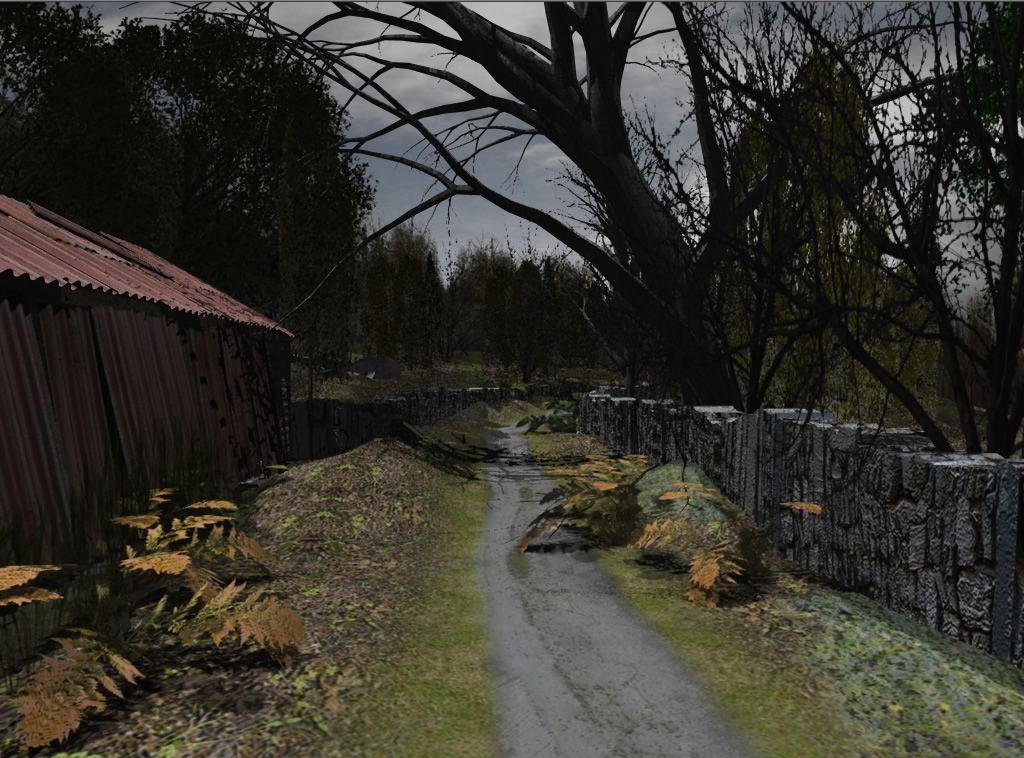
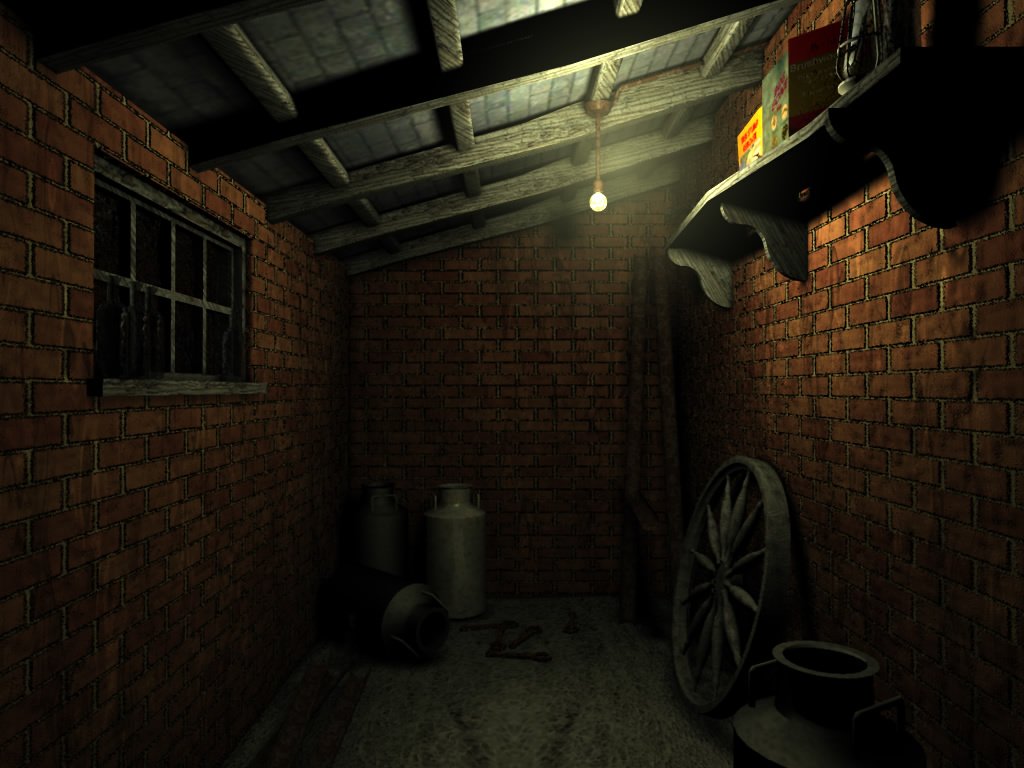
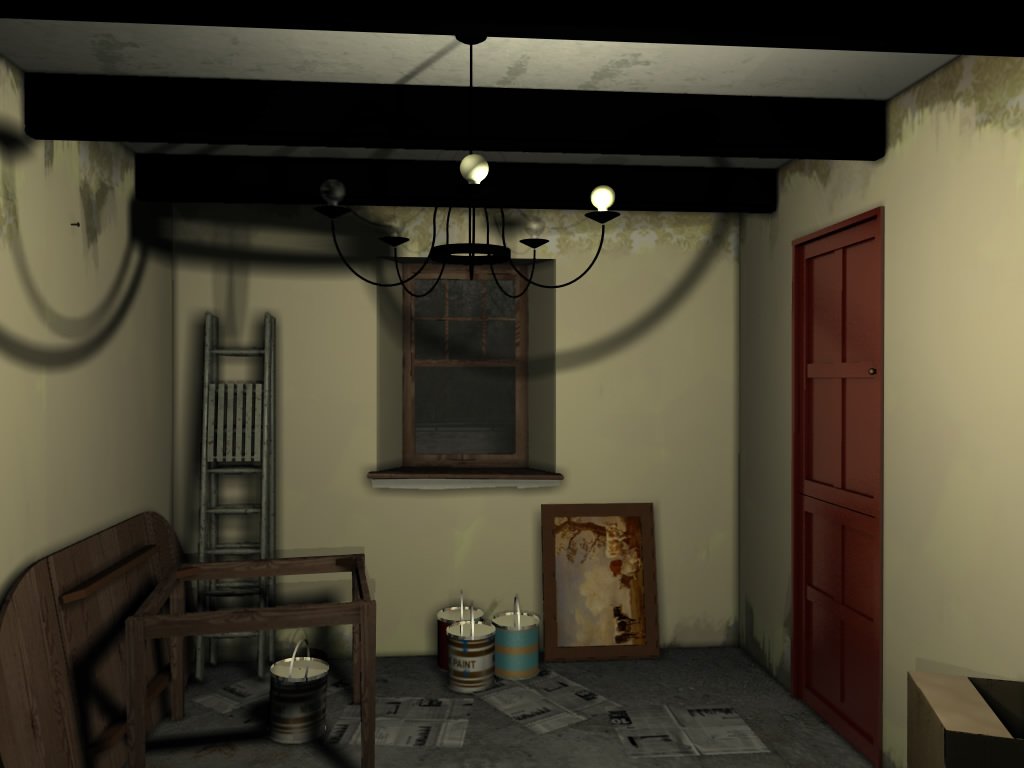
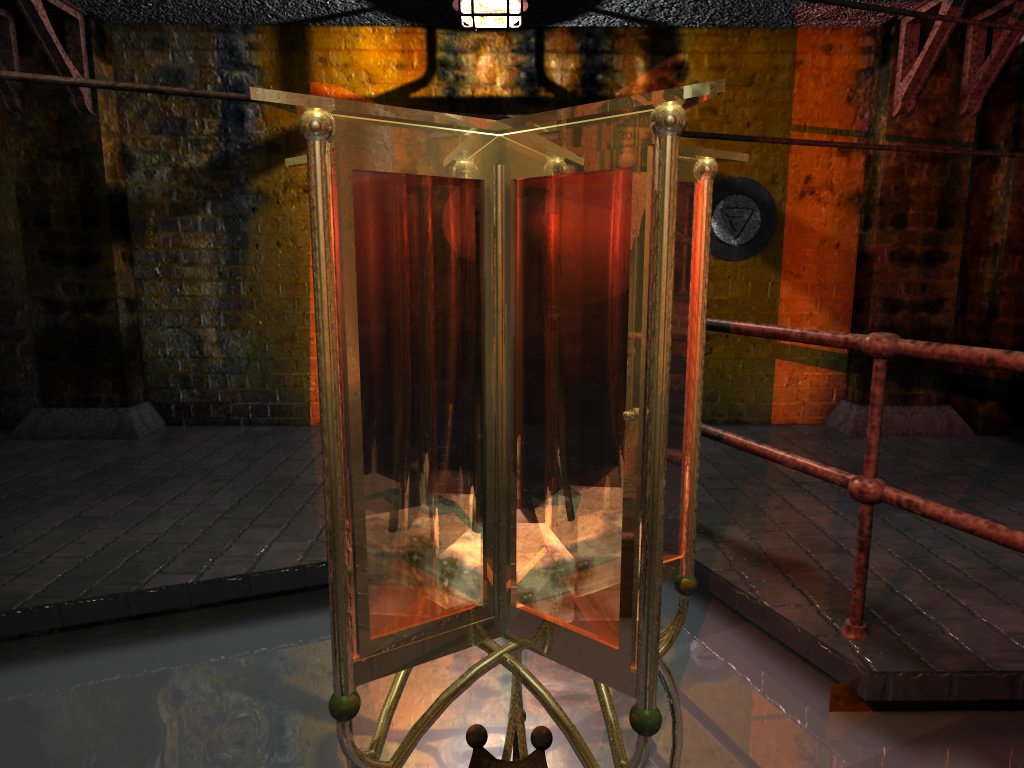
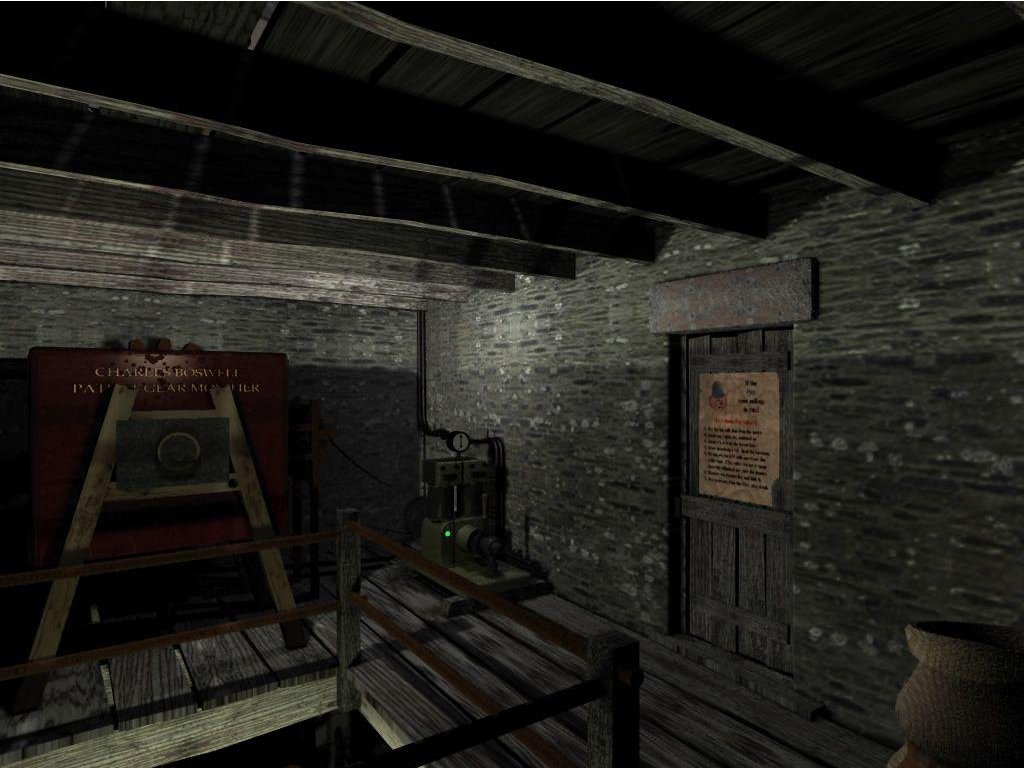
We all contribute to plot and story. We have brainstorm sessions, then one of us will take the task of typing it up, fleshing it out and resubmitting it to the others for refinement. Our long-term adventure gamer Karen gets to compose and write the sort of game she loves to play. She is now doing, for a major part of her waking day, a fun activity that before, she used to only do when she had time. She’s responsible for much of the detail, many of the puzzles, the in-depth research that makes the game story come alive. She also has a major influence on the nature of the player interface. It was on Karen’s insistence, for example, that ‘scenes’ in the game are actually ‘rooms’ and that the play would be in the first person. In most locations, there are four views, which for development purposes we call ‘North’, ‘South’, ‘East’ and ‘West’. So although it’s 2D point-&-click, when the player is in a given position, more often than not he or she can click to turn left, right, back, sometimes look up and down and either move forward or zoom in to a closer view of what’s ahead. And we do this by moving to a different view rather than rotating the scene, because we hear other players agreeing with us that real rotation can be somewhat nauseating. Richard designs the scene graphics. He models them from scratch in a 3D environment on his brace of Macintoshes. He adds the textures and all the lighting, then produces 2D renderings of views available within that scene. He also does a lot of the objects the player can interact with. Sometimes he asks Karen or me for an outline of what functionality an object should have and then he invents it. It can be quite magical to see that happening. And I get to compose music and be heavily involved in writing fiction, two activities I’ve only ever dabbled in before. I’ve been a guitar player for years, but with ‘Rhiannon’ I’m composing for a chamber orchestra, a jazz combo, even a brass band and I love it. I get to try a slightly different approach to game music. In ‘Rhiannon’, the player is not constantly accompanied by incidental, atmospheric music. Instead, there are chapter and character themes, reveals and so on. These are all stand-alone pieces. It’s more of a ‘soundtrack’ approach I suppose. You may not get to hear the whole of these pieces, depending on how you play the game – but there’s always the Hi-Fi in the living room. I also do all the programming. That’s been an adventure in itself, because I’d never done any object-oriented coding before. Whole new way of thinking. I’m grateful for all the patient help I’ve had from others writing for the Wintermute game engine, the platform we use.
Karen and I have a little IT service management consultancy and training business. I’m the IT man, so I design and deliver the services, and Karen’s the business manager and administrator. Along the way we’ve produced books and press articles and a few websites and years ago, I used to throw out the odd line of program code. We’ve also done a bit of fiction writing in the past – a thriller novel and a couple of screenplays that got some TV interest. Richard is a design illustrator by profession, so I guess he’s the one most closely using his professional skills for Arberth Studios. Typically, he’ll get a commission from a company that, say, has a design for a hotel lobby and need an artist’s impression of it. He does that with both IT modelling and brushes. But his work in our team is different, in that he’s modelling completely from scratch instead of illustrating others’ blueprints. He likes that, because it gives him more freedom of expression.
By gum Randy, you know how to ask them We’ve all been great mates for twenty-five years. Richard spends a lot of time at our house. We know each other ‘warts and all’ as they say. It’s more that we help each other along than get in each other’s way. Of course Karen and I have the odd tiff, but what married couple doesn’t? And what we get from being together is way stronger than the occasional strain. She and I have always been a good team. There are some stylistic differences – for instance Karen would prefer me to work the way she does and deal with everything at a steady planned pace, but I usually prefer the buzz I get from skating closer to deadlines, because it increases both my productivity and output quality. My doing that drives her potty sometimes. But then it always has and we always get there in the end. But Richard – he’s so cool and collected, talented and competent, nothing fazes him and we can never get upset with anything about him. And then we all have a huge amount in common – similar tastes in music, wine, entertainment, humour, people, food, worldview and ambitions for our relationship and latterly, for our new business. There’s always somewhere we can meet that would completely outshine wherever we may have differences.
Karen likes to play the odd Nancy Drew game, and there’s a soupçon of that style in some of the puzzles, but there are significant differences. Rhiannon can’t help you, as she’s no longer there when you arrive. And you’re exploring alone in the first person – there are no witnesses to question, no conversations and no voiceover to your conclusions, so the presentation differs from the Nancy Drew way. There’s plenty that Nancy Drew players could get from this game, of course. Looking on the forums, there seems to be no ‘typical’ Nancy Drew gamers – they seem to be old and young, male and female. What they have in common is that they like a solid, first-person, ‘figure-it-out’ adventure, which essentially describes ‘Rhiannon’. They’ll recognise the need for deduction and looking for clues, for combining information and objects to make some new revelation – though they may find ‘Rhiannon’ somewhat darker and rather more sinister than Nancy Drew. After all, in ‘Rhiannon’ the player is completely alone. Dear Nancy, but I doubt she has ever come up against a lunatic Welsh sorcerer with a vicious history who has been dead for over 900 years; and who must be defeated by turning both modern technology and classical magical elements against him.
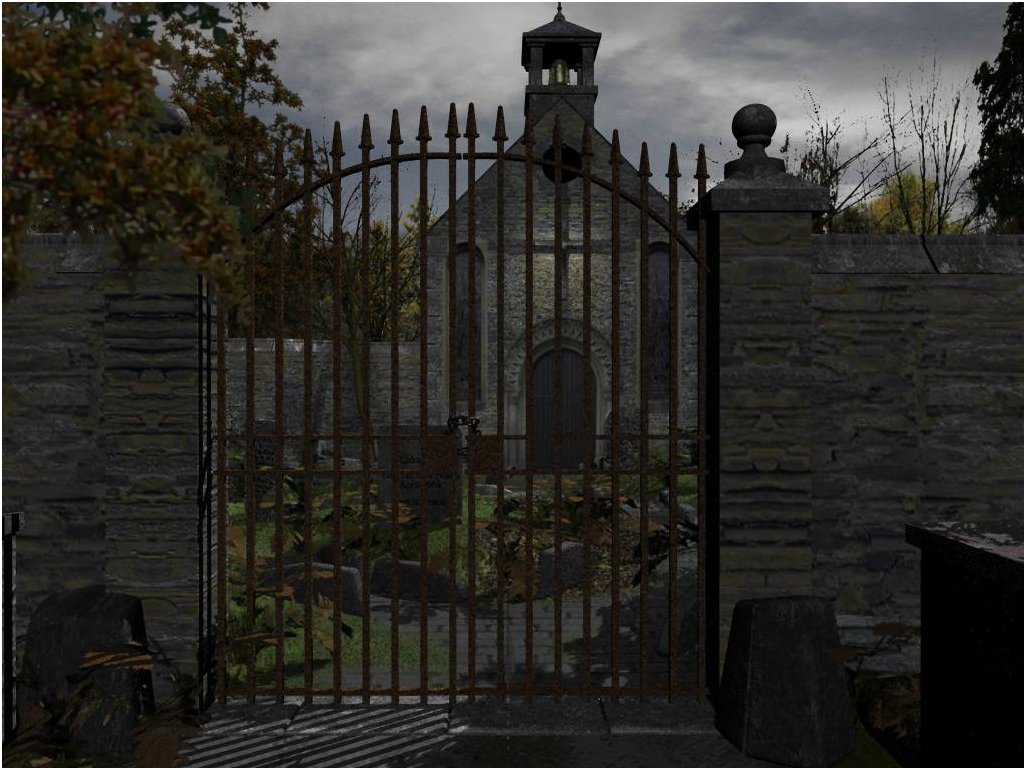
The game’s central character is not Rhiannon, but the player, playing in the first person. We’ve given you a name – ‘Chris’, deliberately not gender-specific – but that’s only so the game has a way to refer to you in messages you will get as you play. In any case, by the time you get to Ty Pryderi (pronounced “Tee-Pruh-derry”, the haunted Welsh farmstead where the game takes place), Rhiannon has become too traumatised to stay there and her parents have taken her away. It’s down to you. We’ve not tried to impose a personality or character on the player. The player will draw conclusions and solve puzzles from their own efforts, imagination and personality in any case – and so, we reason, no need for them to do it by proxy. You will have exchanges with other characters but not in the form of conversation. They’ll send you emails and voicemails, or they’ll have left papers and clues around. You will see several ghosts and they will try to communicate with you in various ways, but more to assault, insult, threaten, warn or prompt you to action. You play yourself, but your ghostly foe has laid down his challenge in the form of magic, and ultimately, it is through magic that you will prevail – not the wand-waving, abracadabra, sandal-wearing kind of magic, but more in the form of using supernatural, pre-technological forces and other tools, both mechanical and essentially 21st Century.
Rhiannon’s mother Jennifer is originally from Arberth, the main town near Ty Pryderi, and she has persuaded her husband to buy the estate and restore it. They bring their teenage daughter Rhiannon – but having left her friends behind and moved to this isolated spot, the girl soon begins to suffer from loneliness. To fill her time, she researches the history of the house and encounters the connection with the Welsh legends. At that point, her haunting commences. Her parents seem to dismiss it at first, before finally realising that their daughter is going insane and needs to be rescued. You will discover that an ancient battle between a twisted sorcerer and an ambitious nobleman still continues in the afterlife, infecting the house and grounds of Ty Pryderi. There is a reason this is happening now. You will find that others have been tragically impacted in the past. You will reveal those tragedies, come to understand why others who have tried to defeat our villain Llwyd Cil Coed (pronounced ‘H-Loo-uhd-Kill-Koyd’) have failed. As to why Rhiannon is the central figure – not wanting to give too much away, I can say though that Llwyd sees Rhiannon not just as an individual, but somehow as a representative of history – and therein lies his weakness.
We designed ‘Rhiannon’ to be far from linear, and our players have told us that’s the case. By the way, I’ll just take a moment here to salute and thank those players and testers – it was great working with them. There are chapters to the story, so there is a beginning, a number of acts and an end, so there is a storyline. With each chapter, new locations open; however no locations close. There are items you will examine in Chapter One that you won’t use until much later, so we have to allow for the player to wander widely. You cannot take an item to inventory just because you’ve picked it up. It would be impractical anyway, because you can interact with some 200 items – your inventory would become unmanageable if we let you take everything at first sight. So we have a rule that you can only take an item to inventory if you have seen somewhere you could make use of it. This contributes to the game’s non-linearity on one level, but it’s not the only one. This also means that it is not straightforward to try to complete the game without understanding the clues. You can’t just pick everything up and hope for the best. You really must have a reason for picking it up. In one respect, you’re not completely on your own. You’ll occasionally get nudged in the right direction, sometimes subtly, sometimes more overtly. And there may be an Email from Rhiannon’s mentor Jon Southworth, or a voicemail message, or a new arrival on the doormat to give you a hint. There is a plot delivery device running through all the main chapters in ‘Rhiannon’ to stop it from becoming too linear. The way it works is that each chapter has at least three ‘threads’. Two of these threads are about collecting items – they are conceptually but not actively related and they are non-linear – you can go through either thread in any order. At the same time, the third ‘thread’ is guiding you and revealing the story to you. Any linearity is thus hidden in the plot structure, it is not in the gameplay. But it’s true that you will, on occasion, meet an actual or the gameplay equivalent of a locked door, so yes, there are puzzles that must be solved in order to advance. Follow the clues and don’t always presume your assumptions to be correct.
The ‘Four Branches’ are documented legends, sitting right at the heart of the Welsh collection of stories known as the ‘Mabinogion’. There’s more about them at Wikipedia. We didn’t make them up. The sequence of events and the key artefacts in the ‘Four Branches’ are central to our story. What we did make up is how the events have spilled over into the modern day at Ty Pryderi and how you might use your wits and the things around you, including modern technology, to resolve the consequent disturbances. The Mabinogion is pretty important in Welsh culture. The stories are fantastic, and in them, the line between history, myth and magic is magnificently blurred. We’ve tried to be faithful to this in ‘Rhiannon’.
And let’s not forget Karen and Jeff Tobler, another husband and wife team who did ‘Riddle of the Sphinx’ and ‘The Omega Stone’. Legends and the paranormal offer a rich and fertile ground to the adventure writer and husband and wife teams can use how their personalities enmesh to egg each other on in the creative process. Can’t say for those other couples, but that’s how it has worked for us. But Arberth is not really just a husband and wife team, because we’ve got Richard, and he’s at least as important as either of us.
Hmm, there’s a thought. But I’ve heard Ridley Scott is already busy next summer |