Review: Safecracker
|
Safecracker Developed by: Daydream Software 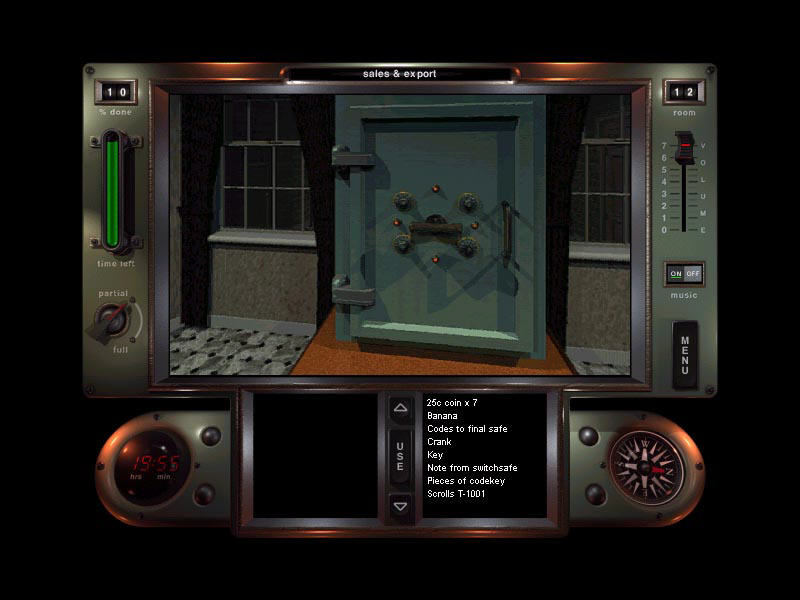 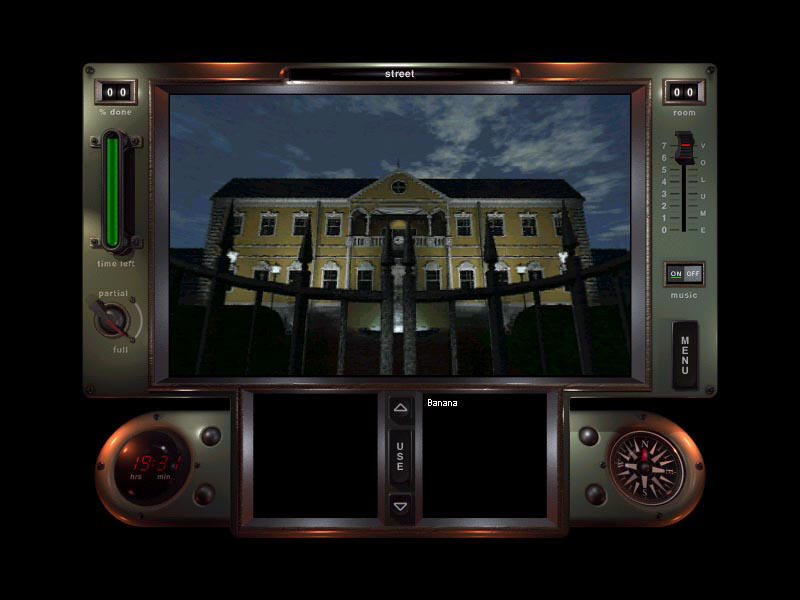 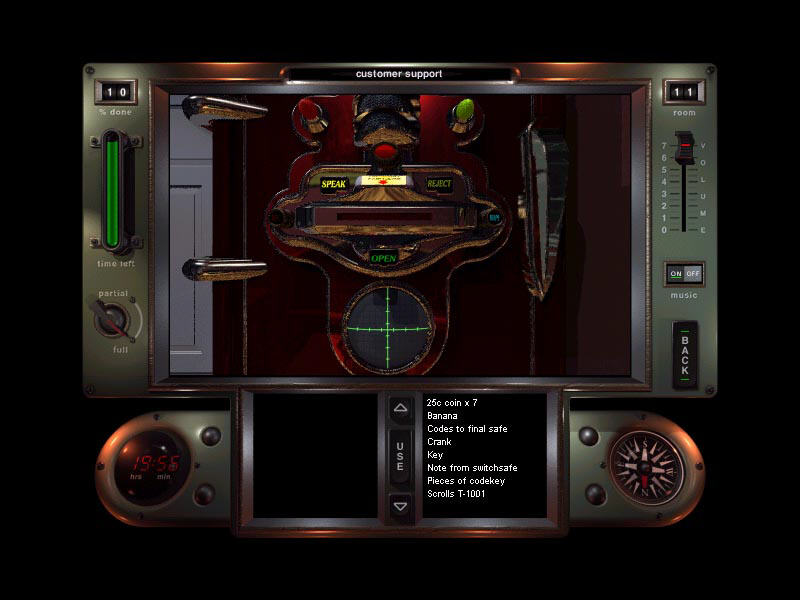 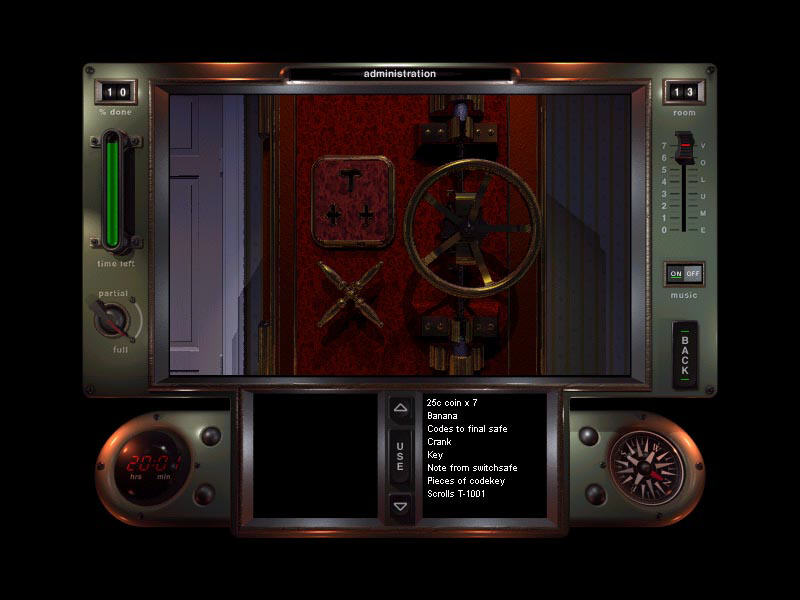 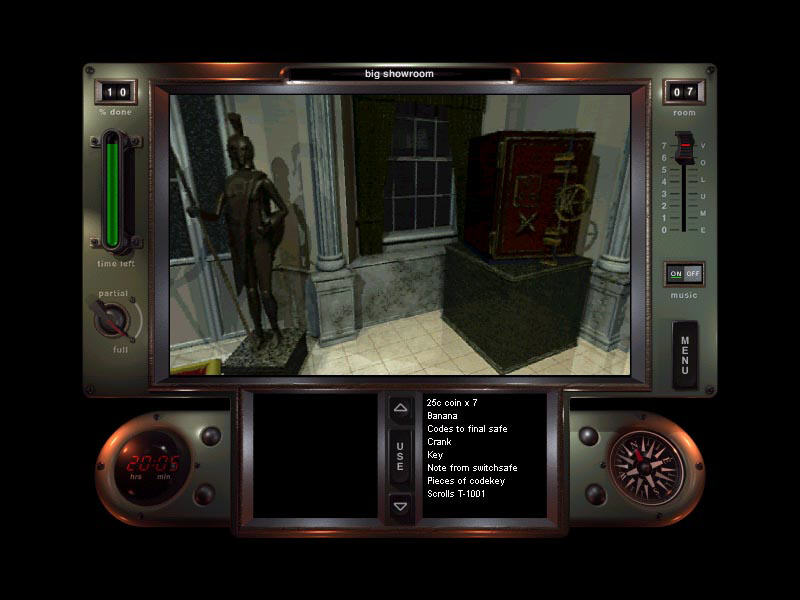 |
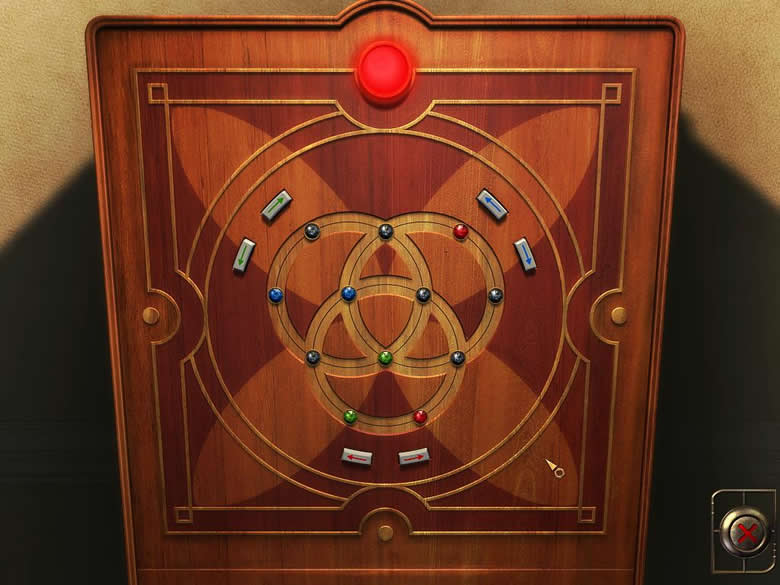
If you have already studied the screen shots of this game and you are now saying to yourself, “What the hey, this is nothing but a bunch of pictures of dumb safes!” then do us both a favor and go read one of my other numerous reviews on Just Adventure. If, on the other hand, you are intrigued by what these safes might represent, if you are the type of person who needs to have his/her “ducks all lined up in a row” or need to have your underwear neatly folded in your dresser drawer, then stick around, ’cause I got something special for you.
If ever the title of a game so succinctly described the scintilla of the plot, then it surely is Safecracker by Daydream Software. The entire framework of the game is comprised around your ability to break into or “crack” one safe after another. Over 35 different types of safes must be cracked. If you live for games of the delicious gonad-busting, sweat-dripping-down-your-brow, kick-your-computer-in-sweet-frustration variety, then Safecracker will be your salvation in these lean times for adventure gamers. It is nirvana for brainiacs. For your friendly, neighborhood reviewer–it was time to bust out the walkthrough.
Safecracker’s background story has you offered the job of Security Development Chief for one of the world’s wealthiest men. To prove you are “worthy,” you must break into your eccentric prospective employer’s high-tech mansion, locate the mother of all safes–the F-9-12 (the latest model from Crabb & Sons Company)–and reveal its contents, all without getting caught by security. This is no small feat for someone like me, whose deductive skills lean more toward Inspector Gadget than Sherlock Holmes. This is not a game for those who love plot development and characterization, but it is a hidden gem for purveyors of brain-twisters like The Seventh Guest and Cydonia. So while the plot only receives a grade of C, despair not, for this is a game that is defined by its puzzles.
Thirty-five safes are spread over 50 rooms of the mansion. Big safes and little safes. Red safes and blue safes. Piano safes and pyramid safes (this is starting to sound like a Dr. Seuss book). Of course, every single safe must be opened, not in any particular order, mind you, but you will soon discover there is a method to the madness. Inside the safes reside clues and inventory items that will allow you to–you guessed it–open another safe. Now, clues are always welcome in any game, even more so in a logic-driven game of this type, but the developers of Safecracker are a seemingly devious, if not deviant, bunch as they decided to throw a monkey wrench into the game and include a lot of red herrings. May their souls burn in the eternal fires of the Dungeon of Shame for causing me so many sleepless nights. The true measure of the difficulty and ingenuity of the puzzles in Safecracker, though, is that this is that one game where once you have successfully cracked open another hard nut (I am tired of typing “safe”), you actually feel a sense of accomplishment and pride. We all know that feeling, that tingle when we have finally solved a puzzle that has haunted our subconscious for days and we rush to find our spouse so we can brag of our intellectual accomplishment and they respond with, “Oh, you mean that game (dripping sarcasm) you’ve been spending all your time on.” Safecracker’s puzzles: A+.
Of course, a game with very little plot needs to compensate in other areas, and Safecracker’s graphics are top-notch. It uses Quicktime VR, which allows for 360-degree camera movement in 3D. Each of the 50-plus rooms in the mansion can be viewed from 12 different viewpoints that span the entire room. These rendered pictures were then assembled and linked together to provide seamless movement in and between the different rooms. The cursor movement controlled by your mouse is similar to the photorealistic panning in Zork Nemesis, and surprisingly there is very little blurring as you move from location to location via your first-person perspective. The inventory is easily accessible at the bottom of your windowed screen, and in what is my favorite touch, the top left of the play screen keeps you informed as to what percentage of the game you have completed. Auto-mapping would have been a nice addition, but it is not available. There are secret rooms, red herrings and surprises aplenty to keep you occupied for hours on end, but be forewarned before you spend days attempting to better your score of 99% at game’s completion, according to the Daydream message board, a perfect score of 100% is not obtainable. Graphics for Safecracker: A.
Music, sound effects and voice acting are areas which, like the plot, have very little to do with the overall enjoyment of Safecracker. There is minimal voice acting in the game, and there are a few safes that must be opened by relying upon your ability to remember musical notes or listen to tapes. Theme music alters according to the “type” of room or situation you are in, but it is never intrusive or, for that matter, even memorable. Then again, this is not the type of game that you play to test your new 3D Monster Sound Card. The music, sound effects and voice acting are all well-done, if not abundant, and receive a grade of B-.
Safecracker is a game that will be treasured by the devotees of Jewels of the Oracle and Myst. It is not for everyone, but I guarantee that if you are enamored of puzzle/adventure games, then Safecracker will not disappoint. It comes packaged on two CDs, one for PC and one for Mac, and is available via mail order for North American customers from Daydream. If you are more interested in exercising your brain cells than your trigger finger and have a little bit of larceny in your heart, then Safecracker is highly recommended for your nocturnal leisure time.
Safecracker final grade: B+
System Requirements:
PC:
Windows 95/98
Pentium 75
16 MB RAM
15 MB free HD space
2x CD-ROM
Sound Card
QuickTime 2.1.2 (included on CD)Mac:
PowerMac recommended 7.1 or newer
8 MB of free RAM
15 MB of free HD space
2x CD-ROM
QuickTime 2.5 (included on CD)
Soundmanager 3.2.1 (included on CD)