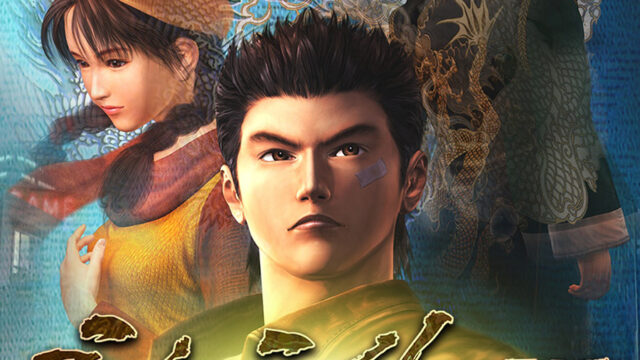
Shenmue
|
Shenmue Developer/Publisher: Sega Introduction by Randy Sluganski 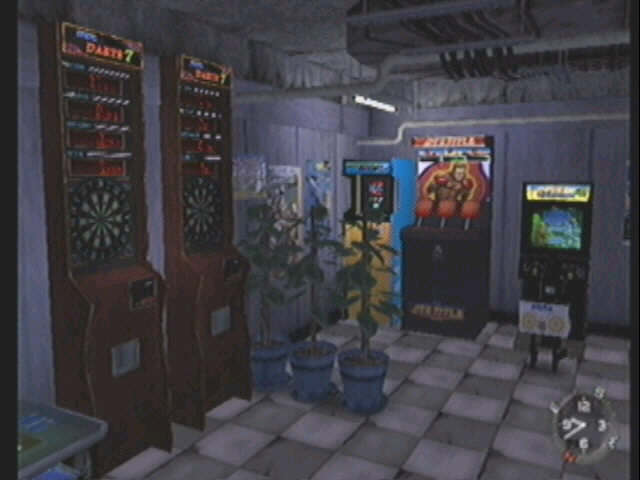 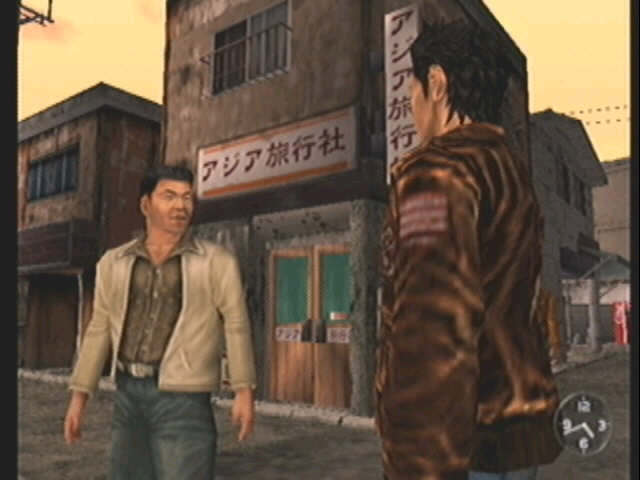 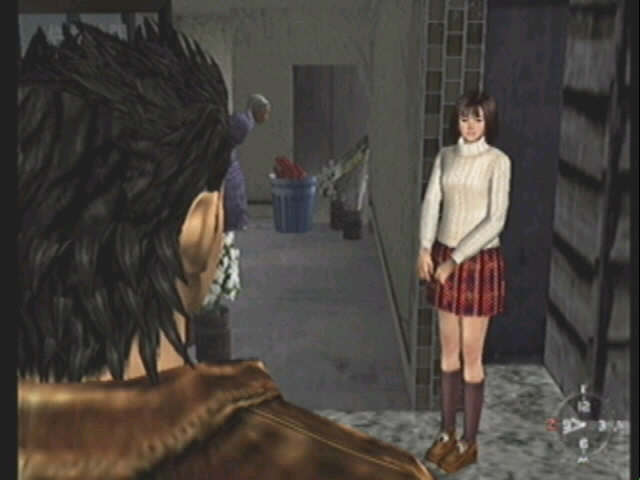 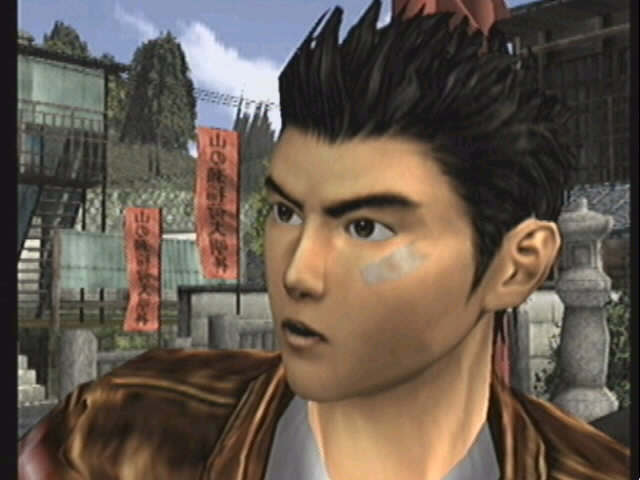 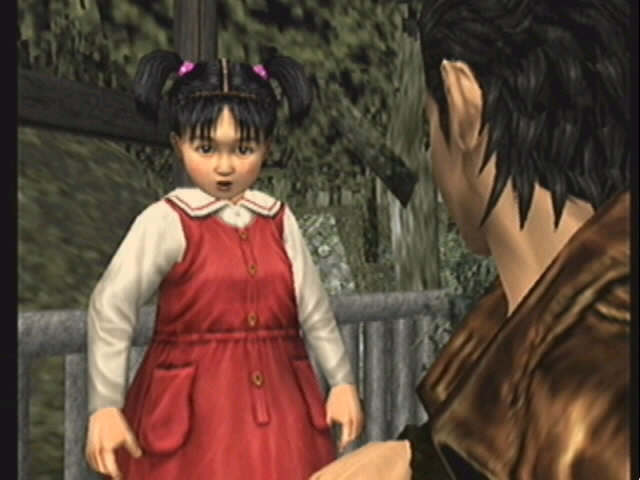 |
Introduction
Shenmue is one of those rare games that sells systems. In the short history of gaming, such games can be counted on one hand. Hundreds of thousands of consumers purchased 8- and 16-bit Nintendo consoles to explore the imaginative worlds of the Super Mario Brothers. Sonic the Hedgehog pricked his little blue quills into the hearts of tens of thousands of Sega Genesis owners, and Myst was responsible for millions of gamers either purchasing those newfangled CD-ROM drives or simply purchasing a new computer so they could find out what all the fuss was about firsthand.
Shenmue was created by renowned producer Yu Suzuki–famous for the Virtua Fighter games–and incorporates elements of adventure, action, role-playing, and fighting, but it is first and foremost an adventure game that would exceed the expectations of any adventure gamer.
Set in Japan, Shenmue features characters who live on their own timelines, operating on their own schedules. The gamer plays as Ryo Hazuki, a young man who must solve the mystery of his father’s murder. His journey will take him through the mysterious underworld of Japanese culture, and Ryo’s quest soon also becomes one of self-discovery.
“So what?” I hear you asking. What is it that makes Shenmue so different? Quite simply, it is the most amazing adventure game I have ever played. There are over 300 motion-captured interactive characters, each living their own lives. The highly detailed 3D world allows Ryo to interact with almost anything in his environment: telephone calls can be placed, coins can be put in vending machines, jukebox selections can be chosen, and arcade machines have complete versions of Sega Genesis classics like Hang On and Space Harrier that can be played. Weather and landscapes change according to the time of year, and time progresses throughout the course of each day. Almost every structure can be entered and inspected, including homes, stores, and arcades.
How realistic is Shenmue? Geographical data was used to plan and calculate the ideal landscape for the game. Building diagrams provided by architects were used to recreate Yokosuka, Japan, as in looked in 1986. The realism and detail, whether it be opening a refrigerator to find fresh food or background reflections in a character’s eyes, is phenomenal. Those of you who have clamored for a game that would allow you the freedom to go anywhere and do anything–well, your wish has been answered.
If I have any suggestions to improve Shenmue, it would be the following: fighting sequences should have an option to be skipped by the player–yes, they are an integral part of the game but not all of us are skilled video fighters–and it would be great if Shenmue were to be localized with American names and scenery. Yes, this would diminish the authenticity of the game, but it would also attract a lot of players who are loath to play a game with Japanese names and culture.
As for the game itself, well, I think it is time to allow Twitch and Spaz to take over.
Review
Twitch: Dude! I have awful news! Randy made a New Year’s resolution for us. We’re not allowed to ridicule him anymore or we’re fired!
Spaz: What!? How are we going to do our reviews? This is awful!
Twitch: Wait, I just had a brain freeze, dude. He didn’t say we couldn’t pick on someone else! Hey, how about that Harriet lady who does the new releases?
Spaz: Nah … she looks like the type who would hit us. Hey, I know, how about Jen?
Twitch: Yeah, she’s perfect. You ready, partner?
Spaz: Let’s do it!
Twitch and Spaz: Hey Jen … bite us!
Twitch: Whew, I feel better. [Note from Jen: Don’t forget who edits these things … whap! whap!] On to Shenmue.
Spaz: Shenmue is the first chapter of a proposed 16-chapter epic that begins in 1986 and will conclude in present-day Japan. It reportedly cost 70 million dollars to develop this game, and every yen was well-spent. The realism is unprecedented, from a character’s hair swaying with the movement of her head to excellent lip-synching and Japanese-to-English translations.
Twitch: The game begins as Ryo returns home to witness a gang leader beating his father. Ryo attempts to defend him but is instead knocked out. He awakes to find his father murdered and a mysterious dragon mirror missing. Ryo must now discover the reason behind his father’s death and the significance of the dragon mirror.
Spaz: Initially, the going is slow. Ryo must question every character, visit every location, and collect inventory items, but as it is in any adventure game, this is essential to provide background and ambience for the gamer. Once the storyline and main characters have been established, the story moves much smoother and faster.
Twitch: In fact, the game comes on three disks, and it would be fair to say that the first two are devoted to exploration and adventure elements, while the third is heavy on the action. Most of the action is hand-to-hand kung fu combat that requires you to execute typical video game-style moves. You will be fully prepared for these battles because of the practice sessions that allow you to hone your skills.
Spaz: Other action sequences are timed, quick-response segments that require split-second timing. These are random, but they must be completed since they usually lead into full-motion video sequences. None of the fighting or action sequences are ridiculously hard, which is good news for adventure gamers, though some battle-hardened action gamers are sure to complain.
Twitch: There is a downside to all of this realism, though. Ryo awakens every day at 8:30 a.m. and must be back in bed by 11:30 p.m. Some people only appear at certain times of the day, and you must hang around to determine the timing of their life patterns. Others can only be met by making an appointment with them. Plus there is a lot of running back and forth between towns hunting down clues and people.
Spaz: Yet, just as these little things conspire to make the game tedious, they also tend to make it interesting. What other game have you ever played that allowed you to collect toys for your collection at home? That let you not only play full versions of classic video games, but also offered the opportunity to take CD versions of the games home to load into your Sega Saturn? That offered enough side quests to make the game–an adventure game at that–extremely replayable?
Twitch: We haven’t yet even touched upon the Shenmue Passport, a fourth disk that allows the player to go online and trade items obtained during gameplay for unique items only found online. Plus online tips and information, including the option to get real-time weather predictions that could affect Ryo’s journey, are available.
Spaz: Shenmue is an adventure game like no other ever seen on a console system. It has raised the bar to a new level that will probably only be exceeded by Shenmue 2. For all of you traditional adventure gamers who have refused to try a console game, this is the perfect opportunity to get your feet wet. There are no zombies or monsters to avoid, no bazookas or flame throwers, no end of the level bosses, and no strategically spaced save points. Just a good, old-fashioned adventure game, deep in plot and enriched with memorable characters, but for the first time on a console and not a computer.
Final Grade: A