Review: L-Zone
|
L-Zone Developer and Publisher: Synergy Interactive 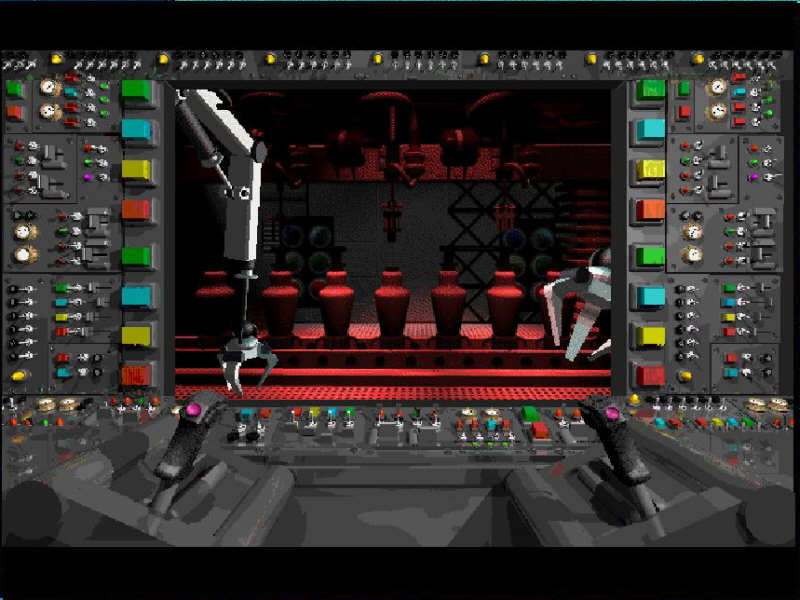  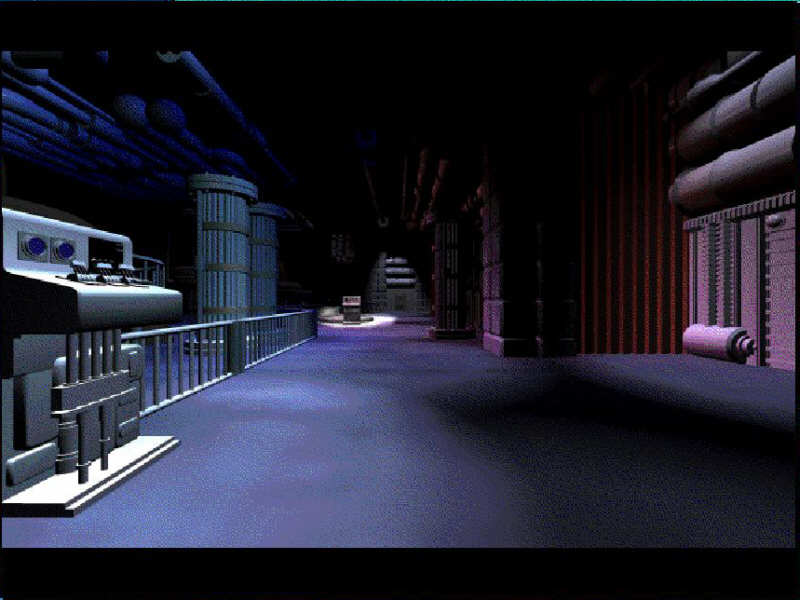  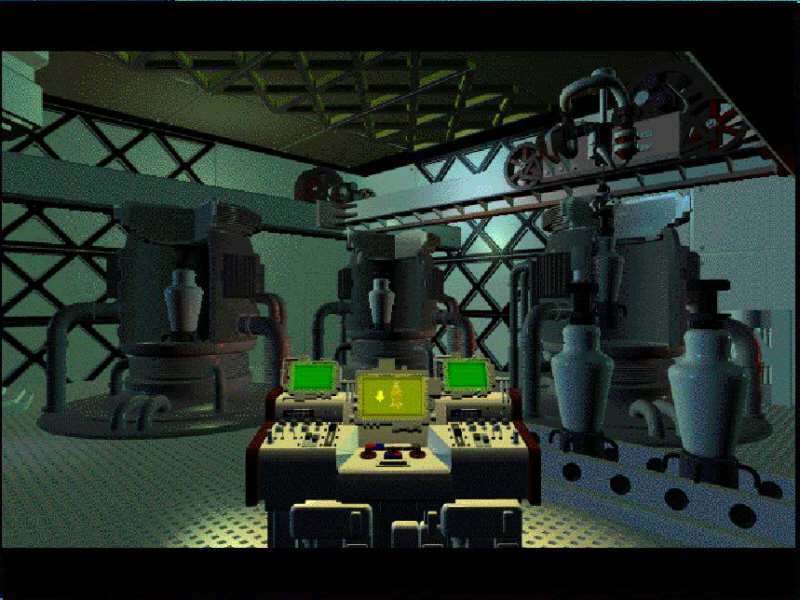 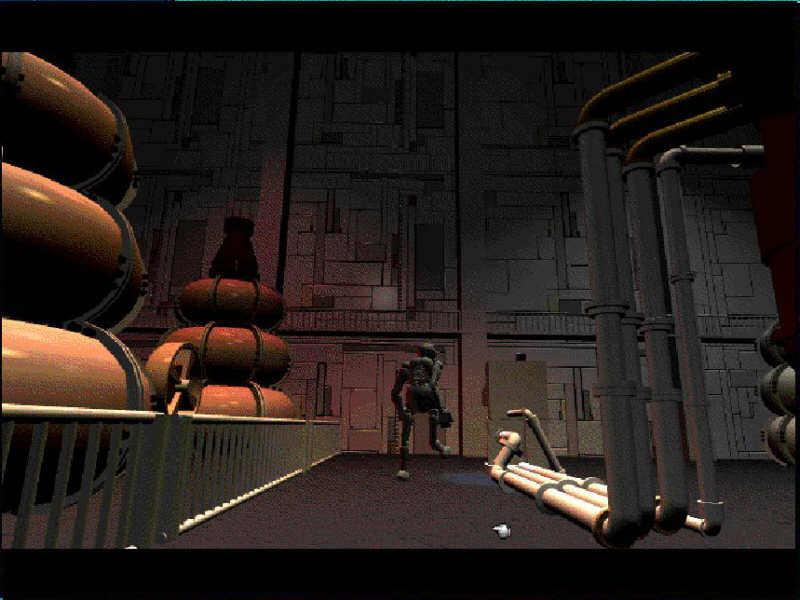 |
Ever seen a large machine, the purpose of which was inexplicable? One that was, nevertheless, in good working order and was somehow fulfilling the purpose of its creation? Step into the world of Shono’s L-Zone, a title about as close to a performance piece as an adventure game can get. The package calls it “Interactive Theatre,” a pretty good coined term for what this puppy is.
L-Zone is a large domed city, created by a mad scientist. It is deserted but fully automated, with all of the machines still working, and it’s your job to explore it. The purpose of the game is to get from one end of the humming machinery to the other, activating machines as you go, to get a door to planet Green open. There’s actually very little storyline, just a macabre, and seemingly never-ending, series of complicated and slightly dangerous-looking machinery to move through.
There is a style to this game that reminds me that these games I love and play are indeed created by artists. The director of this game was Haruhiko Shono, who made a trio of very unusual and stylized games in the early nineties, of which this is one. Shono definitely has his own concept of what constitutes an adventure game, and these rare Japanese imports are a great view into this artist’s mind’s eye.
The music is late eighties techno pop, entirely synthetic, and completely appropriate. The sound of it melds into the hum of the machinery, which creates quite an effect.
There are no straight puzzles to speak of–instead, the mainstay of the gaming experience here is in the exploration of the complex, and the job of getting the machines all running. There is no inventory, no books to read or papers, codes, nothing. About a nine on the unusual-o-rama Richter scale. Don’t get me wrong, there’s plenty of things to do, including space suits to wear and many contraptions to get going, the payoff being some pretty interesting visual feasts concocted for the player. At one console, the gamer is treated to a rapid-fire walkthrough of the whole complex. The puzzles are really the next logical machine or area to check out. It’s just that these items or so incredibly intuitive, it’s hard to call them puzzles.
Good luck finding this obscure title, but it’s certainly worth it to collectors, as it is a highly original piece.
Final Grade: A-
System Requirements:
Mac:
256 colors
3.5 MB RAM
13″ or larger monitorPC:
Win 3.1 or greater
256 colors
3.5 MB RAM
13″ or larger monitor