Review: Dracula: The Last Sanctuary
|
Developer: Index + By Ray Ivey 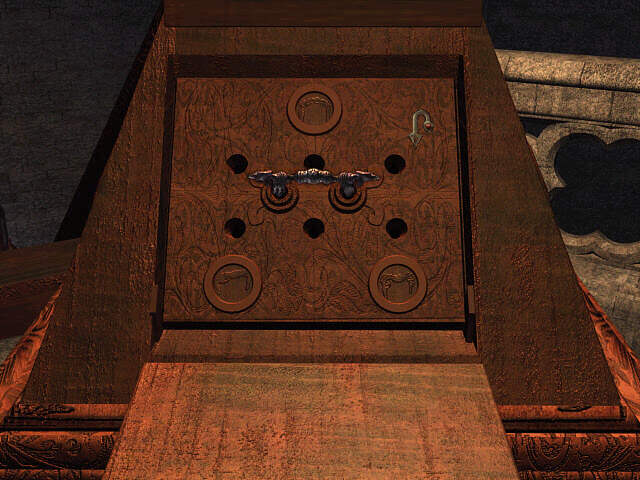 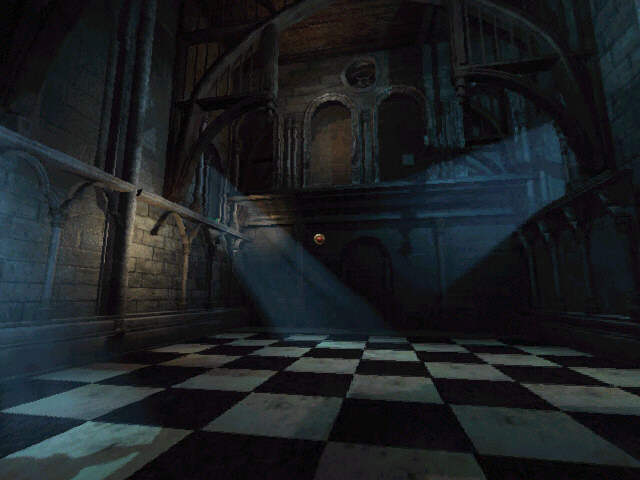 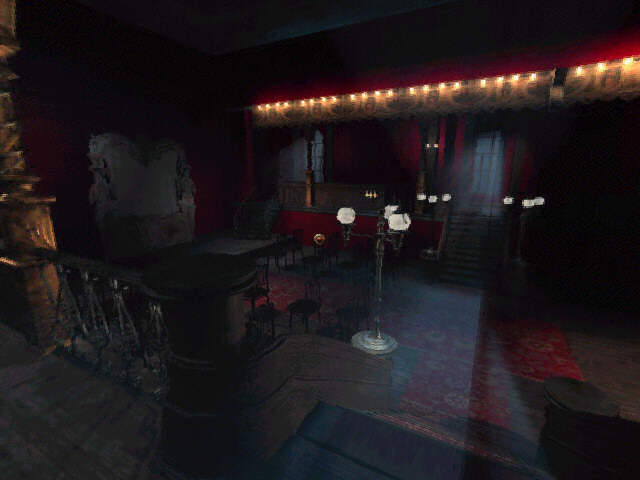 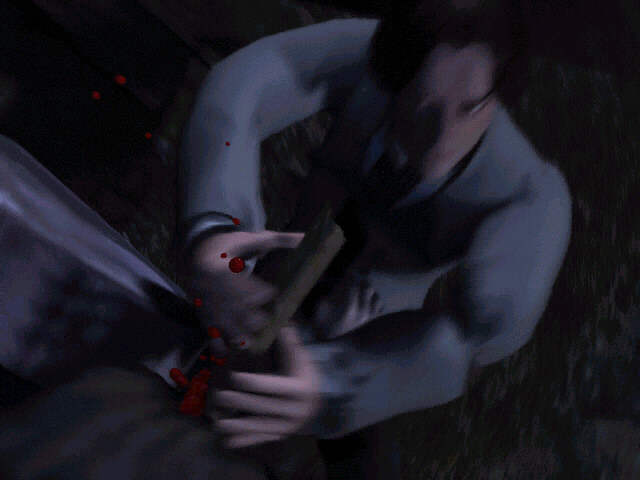 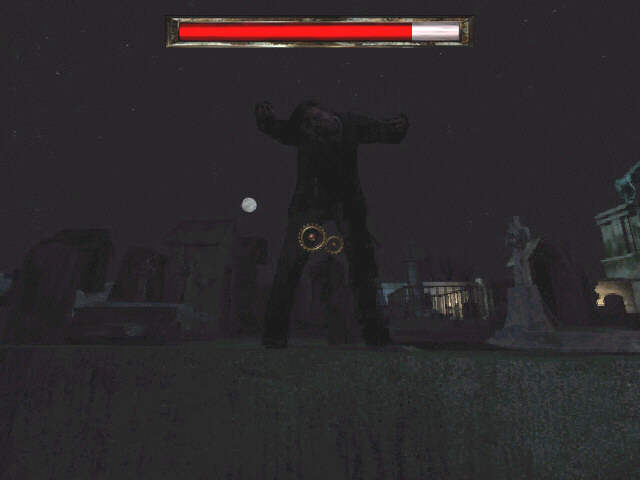 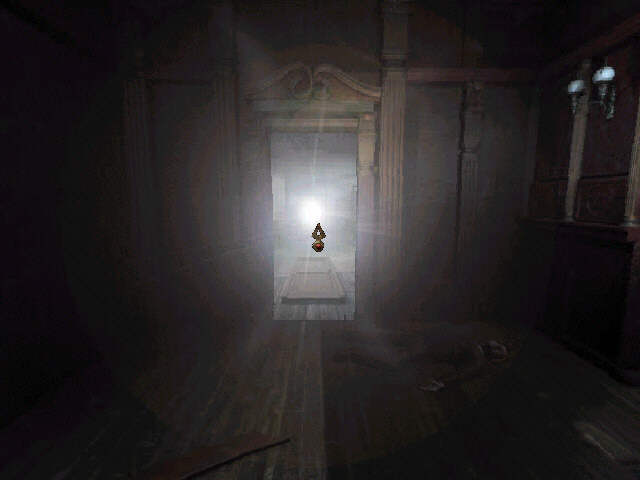 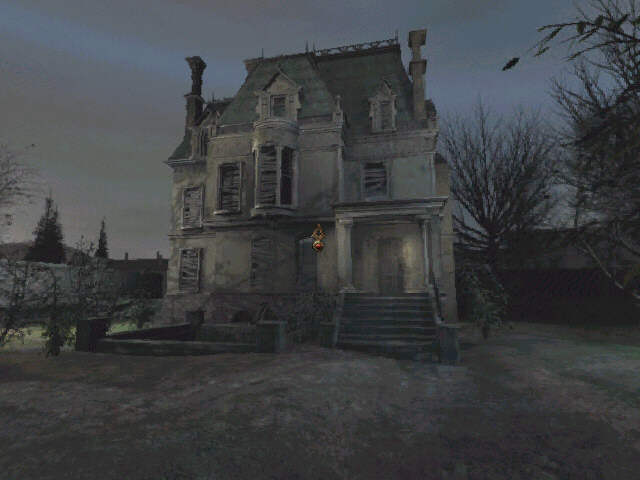 |
Wanna see something really scary?
What is “scary,” anyway? I guess horror is as subjective as humor. One person’s terror is another person’s terrarium.
Many games aspire to be scary, but relatively few actually pull it off. Exceptional games like Amber: Journeys Beyond, The Blackstone Chronicles, and even System Shock 2 manage this tricky feat.
We can now add to that list the wonderful Dracula: The Last Sanctuary, the sequel to Dracula Resurrection.
In a world of rapidly changing computer games, where genres are blending and old interfaces are threatened with extinction, Dracula 2 is manna from heaven to the adventure purist.
I truly admired the original game, with its gorgeous prerendered environments and creepy atmosphere. Many players, however, were bothered by the fact that the game was so short and easy. Also vexing was the fact that the Drac Man himself was offstage virtually the entire game.
I’ve got good news. All three of these issues have been addressed, and this excellent sequel is much longer and significantly more challenging than its predecessor.
The new game begins right at the climax of the first story, with Jonathan Harker’s daring rescue of his wife Mina from the evil Count’s castle in Transylvania. Dracula is hot on his trail back to London, where the story resumes one week later.
Very shortly into the story, Mina is captured once again by the evil Count. What is it with him and Mina, anyway? Like there aren’t any other ridiculously buxom chicks in the world!
At any rate, our stalwart hero Jonathan is once again pretty much on his own as he stays three steps behind Dracula in his attempts to save the woman they both love.
From the very first sequence in which Harker explores the vampire’s decrepit London house, the game is drenched in a richly creepy atmosphere. The sunlight streaming through boarded-up windows, a corpse propped up against a door, and the dark shadows all around contribute to a profound sense of unease. A gaggle of werewolves doesn’t hurt, either. This quality is the game’s great accomplishment: few games have created such a consistent feeling of creeping horror from beginning to end. It’s yummy.
Impressively, this feeling of dread and danger permeates every single sequence of the game. Whether it’s the (obligatory) sewers, the evil movie theater owned by Dracula, Highgate Cemetery, or a dungeon prison filled with skeletons, the hairs on the back of your neck get quite a workout while playing this game.
The cutscenes are also fluid and beautiful and, as in the first game, frequently deal with novel means of transportation.
As I mentioned, the game is longer than its predecessor, which is a welcome change. The first game felt almost like an introduction–this game feels like the real thing.
The game designers have addressed the issue of “easy” puzzles. In fact, this time they’ve perhaps erred on the other side. I found many of the puzzles in Dracula 2 to be fairly opaque. Sometimes it was simply because the answer was not intuitive. However, sometimes there were other problems that frustrated puzzle solving. For instance, several times you have to use inventory objects in strange and surprising ways. It’s almost like the inventory interface is one of the game’s puzzles. Also, several times success depends on an extreme amount of “screen painting” with the fixed-center cursor. This always annoys me. I don’t mind searching the screen, but I want there to be a logical reason why I’m looking somewhere. Worst of all is a series of cryptological puzzles that are so convoluted as to be downright irritating. One, in fact, didn’t work even when I plugged in what I knew was the correct answer. Talk about scary!
The story is oddly illogical in places. After a while you begin to wonder if Dracula has a love/hate relationship with Harker, because he passes up opportunity after opportunity to finish him off. Why not just sink your teeth into the guy, you wonder. Plus the story takes a major character from the original story (Renfield) and inexplicably renames him.
Some players have expressed concern that the sequel contains action sequences. Well, trust me, even if you are a staunch adventure purist, you don’t have anything to worry about. The “action” sequences in the game are little more than that dreaded game feature, Timed Puzzles. There are several of them. Plan on dying and reloading a lot, but it won’t be because you couldn’t shoot straight, it’ll be because you’re trying frantically to figure out what inventory item to put where.
The graphics are beautiful, though the Transylvania locations are noticeably better than the London ones. The game is presented with smooth 360-degree panning but without animated movement. Also, the play screens themselves are utterly static, with virtually no onscreen animations. Clearly a cost-cutting measure, it unfortunately makes the game a bit stodgy and behind the times. Yes, the trees are beautiful, but why aren’t they swaying just a bit in the breeze, you find yourself wondering. And that water … I haven’t seen water that still since the original Myst!
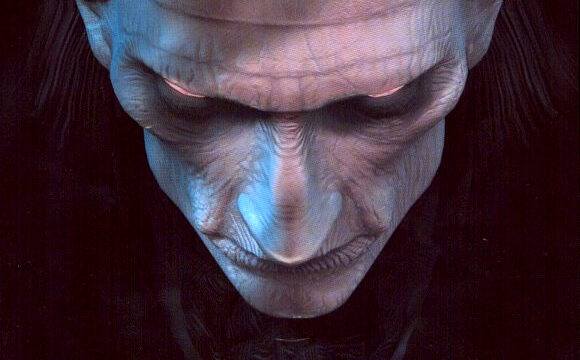
As in the last game, however, the characters are beautifully rendered, with creepy facial expressions and unsettlingly piercing eyes. It’s been a long time since I felt so intensely that a character on my computer screen was actually staring at me!
Still, Dracula: The Last Sanctuary is a breath of nostalgic perfume for the point-and-click enthusiast. I was sorry when it was over, and I fervently hope that the Count finds a way to come back and haunt us for third time.
Final Grade: B+
If you liked Dracula: The Last Sanctuary:
See: The Company of Wolves
Play: The Dark Eye
Read: The Delicate Dependency by Michael Talbot
System Requirements:
PC:
Pentium 166 (200 recommended)
16 MB RAM (32 MB for Windows 98)
High-color video card
16-bit sound card
4X CD-ROM (8X recommended)
Windows 95/98Mac:
G3 or iMac
32 MB RAM 3D Card
8X CD-ROM drive
System 8 or aboveDVD-ROM:
Pentium 233
16 MB RAM (32 MB for Windows 98)
High-color video card
16-bit sound card
DVD-ROM drive
Windows 95/98 SE